


 Home
HomeThe Ultimate Guide to Recessed LED Strip Lighting Channels
 May 27,2026

 reddy
reddy
Architectural Integration, Solder-Free Innovation, and Premium Millwork Design Insights
In the realm of contemporary architectural design and high-end custom millwork, the integration of light has transitioned from an auxiliary functional necessity to a core structural element. Modern luxury environments demand clean lines, geometric precision, and the total absence of visible hardware. To achieve this level of visual purity, recessed LED strip lighting channels—often referred to as linear aluminum profiles—have become the definitive standard for lighting specifiers, interior architects, and premium cabinetry manufacturers globally.
Among the leading innovators in this sector, SYPLED has established a new benchmark by blending aviation-grade material engineering with specialized electrical configurations. This comprehensive guide explores the technical parameters, structural advantages, application logic, and the revolutionary solder-free technologies that define the modern landscape of recessed linear profiles.
1. The Anatomy of Architectural Integration
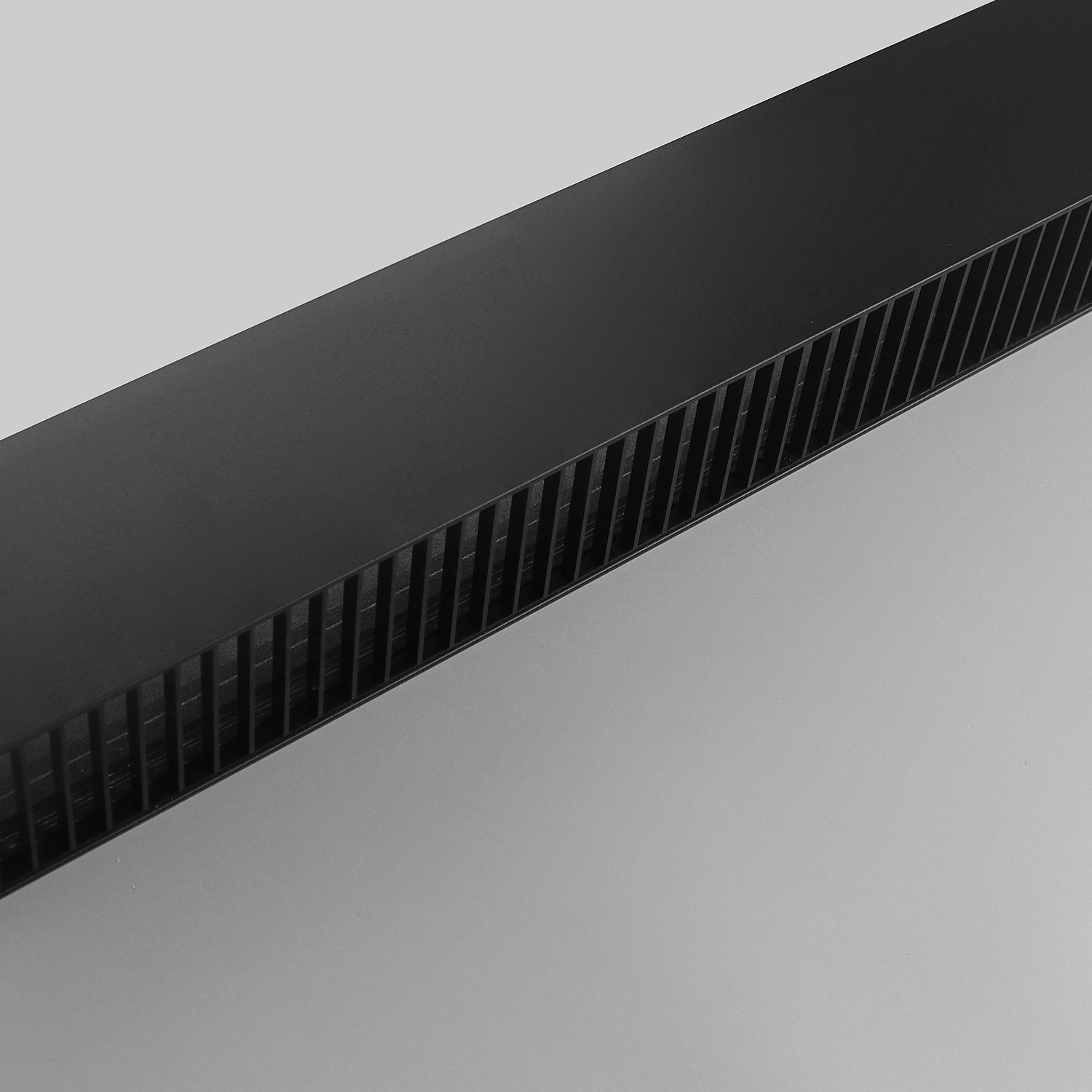
Unlike surface-mounted fixtures that protrude into a space and break the continuity of a plane, a recessed aluminum channel is designed to sit entirely flush within a pre-routed slot or wall cavity. This produces a flat, uninterrupted surface where light emerges natively from the material matrix. A premium recessed system consists of several micro-engineered components:
The Extruded Aluminum Core: Utilizing Aviation 6063-T5 aluminum alloy, the profile acts as a structural housing and a high-efficiency thermal management sink.
The Diffuser Lens: High-molecular-weight Polycarbonate or PMMA covers with frosted or opal treatments engineered to eliminate LED hotspots and secure uniform light distribution.
Precision End Caps: Dedicated closures that block dust accumulation, prevent light leakage at the terminal junctions, and provide clean cable pass-through channels.
The true luxury of modern lighting design does not lie in the fixture itself, but in the complete invisibility of its source, leaving behind only pure, atmospheric luminosity.
2. Advanced Material Science and Thermal Management
The operational longevity of an LED light strip is inversely proportional to its junction temperature. High-density linear strips sealed inside enclosed millwork generate concentrated thermal loads. Without an adequate heat sink, thermal degradation accelerates, causing luminous decay, color shifting, and premature diode failure.
SYPLED’s recessed profiles combat this through structural physics. By using aviation-grade aluminum, which possesses an exceptional thermal conductivity rating, the profile acts as a continuous thermal radiator. The engineering design optimizes the relationship between the heat transfer rate, the thermal conductivity of the alloy, and the cross-sectional surface area of the profile flange. By maximizing the profile’s mass-to-surface-area ratio, these channels ensure that even enclosed, high-wattage configurations maintain junction temperatures well below critical thresholds, extending the strip lifespan beyond 50,000 operational hours.
3. The Solder-Free Revolution: Engineering Efficiency
Historically, custom cabinet lighting installations suffered from immense labor bottlenecks due to the traditional requirement for on-site soldering. Field soldering requires skilled technicians, carries fire hazards within wood millwork, and introduces potential points of failure through cold solder joints or oxidation over time.
The industry has systematically disrupted this workflow by developing advanced, proprietary Solder-Free Plug-and-Play Systems. This mechanism features integrated snap-in connections and standard pre-wired terminal blocks utilizing safe 24V architectures. The architectural advantages are clear:
Tool-Free Component Isolation: The LED light source and the primary wiring bus are kept entirely separate. This means during initial construction, millwork installers can route and place the empty aluminum profiles into cabinets or drywalls without risking damage to delicate electronics.
Rapid Assembly: Light strips with pre-fitted snap connectors click directly into the internal tracking of the profile, matching perfectly with pre-routed wiring paths.
Simplified Maintenance: Should a component require upgrading or replacement after years of use, the snap-in cover plate and separate lamp structure allow for immediate tool-free disassembly without dismantling or damaging the luxury cabinetry.
4. Key Performance Indicators and Selection Parameters
When selecting recessed channels for high-end projects, architects and specifiers must evaluate several critical performance metrics to ensure seamless integration:
Material and Finish: Premium channels feature heavy-duty anodized finishes in sophisticat
ed tones like Iron Grey, Matte Silver, and Jet Black. These choices allow the hardware to blend effortlessly with dark wood veneers, natural stone, or modern industrial metalwork.
Voltage and Stability: Opting for a 24V DC configuration over standard lower-voltage alternatives prevents voltage drop over extended lengths, ensuring stable, uniform brightness from the beginning of the linear run to the very end.
Color Fidelity and Diode Density: To match the luxury of premium materials, the light strips inside the channel should feature a Color Rendering Index higher than Ra 92. When paired with high-density diode arrays, such as the SMD 2025 series, the frosted lens creates a perfectly smooth, dotless beam of light.
5. Strategic Application Scenarios in Modern Luxury Architecture
Premium Closets and Wardrobe Storage Systems
In high-end walk-in wardrobes, lighting serves a dual purpose: it must accurately represent the textures and colors of clothing while reinforcing a boutique retail atmosphere. Recessed vertical profiles flush-mounted into the side panels of cabinets cast a uniform blanket of light inward, eliminating shadows caused by overhead lighting. High color rendering ensures that subtle tones of luxury fabrics are clearly distinguishable.
Under-Cabinet and Floating Shelf Illumination
Kitchen spaces demand robust, glare-free task lighting. By recessing low-profile aluminum tracks underneath upper cabinets, the light strip is entirely hidden from the eye level of guests sitting at a nearby island. The frosted polycarbonate lens diffuses the light over polished quartz or marble countertops, avoiding reflective glare spots while providing intense, functional light for food preparation.
Flush Drywall and Ceiling Integrations
Modern architectural layouts heavily leverage trimless linear channels embedded directly into gypsum drywall surfaces. These channels can traverse seamlessly up a wall and across a ceiling, visually elongating spaces or creating geometric zoning in large commercial lobbies, art galleries, or luxury residential corridors.
6. Installation Methodologies and Best Practices
Executing a flawless installation requires strict adherence to physical and electrical tolerances. The standard deployment cycle involves three key phases:
Phase 1: Precision Slot Routing. The millwork fabrication team mills a precise groove matching the exact width and depth of the aluminum housing. The slot tolerance is kept exceptionally tight to ensure a secure friction-fit seat.
Phase 2: Wiring Infrastructure. Pre-wiring paths are drilled through the back of the slot to interface with the remote power supply. Thanks to the separate lamp-and-wire design, cables are pulled and tested before the final decorative finishes are introduced.
Phase 3: Snap-In Termination. Once the cabinetry is painted, veneered, or stained, the aluminum tracks are permanently placed. The high-density LED strip is snapped in via the solderless plug system, and the frosted protective cover is pressed over the front, creating a seamless, airtight seal against dust and humidity.
7. Conclusion
Recessed strip lighting channels have evolved from a specialized architectural luxury into an indispensable component of contemporary spatial design. By eliminating visible fixtures, managing thermal energy through superior materials, and introducing intelligent, solder-free plug-and-play connections, modern linear tracking systems allow designers to treat light not as an afterthought, but as a flexible material that can be shaped, recessed, and integrated cleanly into any structural surface. For your next high-end residential build or commercial development, embracing these advanced recessed systems will guarantee a flawless, high-performance finish that elevates the entire project's aesthetic value.
 Architectural Recessed LED Niches
  About us
 SANAG BLOG
 faq
faq Contact us