

 Home
HomeThe Definitive Architectural Guide to Bendable Aluminum Profile Systems: Engineering Fluid Linear Illumination with the SANAG RD-6013A
 Jul 10,2026

 reddy
reddy
In the contemporary landscape of high-end interior architecture, commercial spatial design, and luxury residential millwork, the rigid constraints of traditional straight-line layouts have completely dissolved. Modern environments favor organic curves, fluid contours, cylindrical structures, and sweeping geometric forms that challenge classic structural definitions. Illuminating these non-linear spaces with traditional rigid tracks or exposed LED strips often leads to fragmented illumination, uneven diffusion, and visual clutter. To bridge this gap between complex geometry and solid-state lighting performance, specifying a high-performance bendable aluminum profile has transitioned from a creative design luxury into an absolute technical requirement for global engineering and procurement managers.
For B2B buyers, global lighting wholesalers, and architectural engineering contractors, sourcing a flexible extrusion system demands a rigorous evaluation of metallurgy, mechanical bending limits, and optical consistency. Low-tier flexible tracks often warp during field bending, crack under tension, or fail to hold the internal LED chips securely, causing localized hot-spots and premature diode degradation. SANAG directly addresses these vulnerabilities with the introduction of the premium RD-6013A bendable aluminum profile. Due to its exceptional versatility, outstanding durability, and ultra-modern design, this SANAG flexible system is engineered to surpass all lighting scenarios, empowering project specifiers to execute flawless curved linear illumination with absolute safety and technical precision.
1. The Evolutionary Leap: From Rigid Linear Tracks to Flexible Solutions
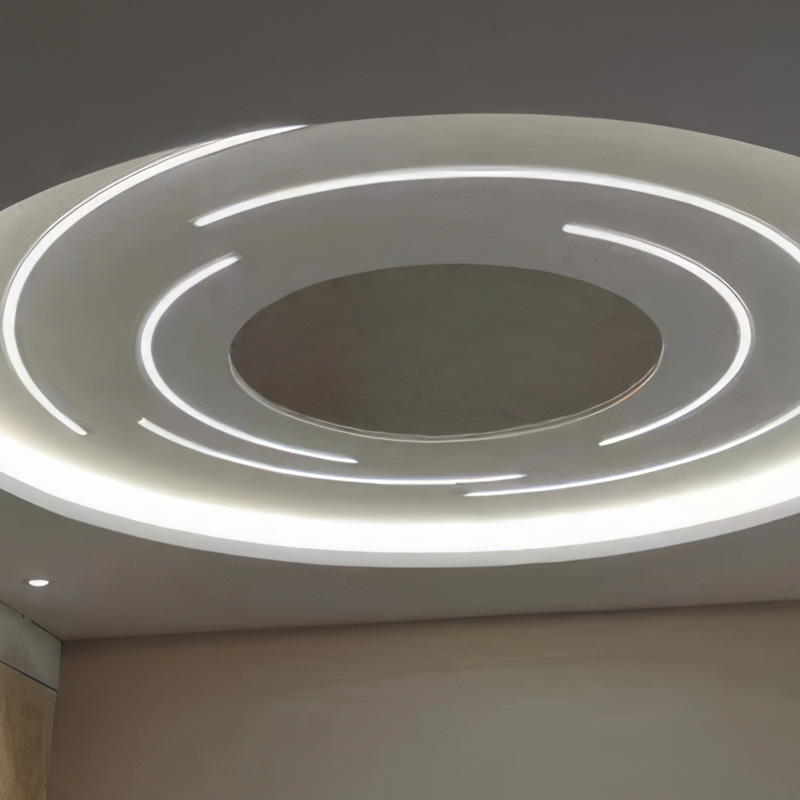
The transition from straight fixtures to flexible profiles represents a major milestone in architectural lighting, enabling lines of light to seamlessly follow the natural curves of modern spaces.
1.1 Re-engineering the Classic Linear Foundation
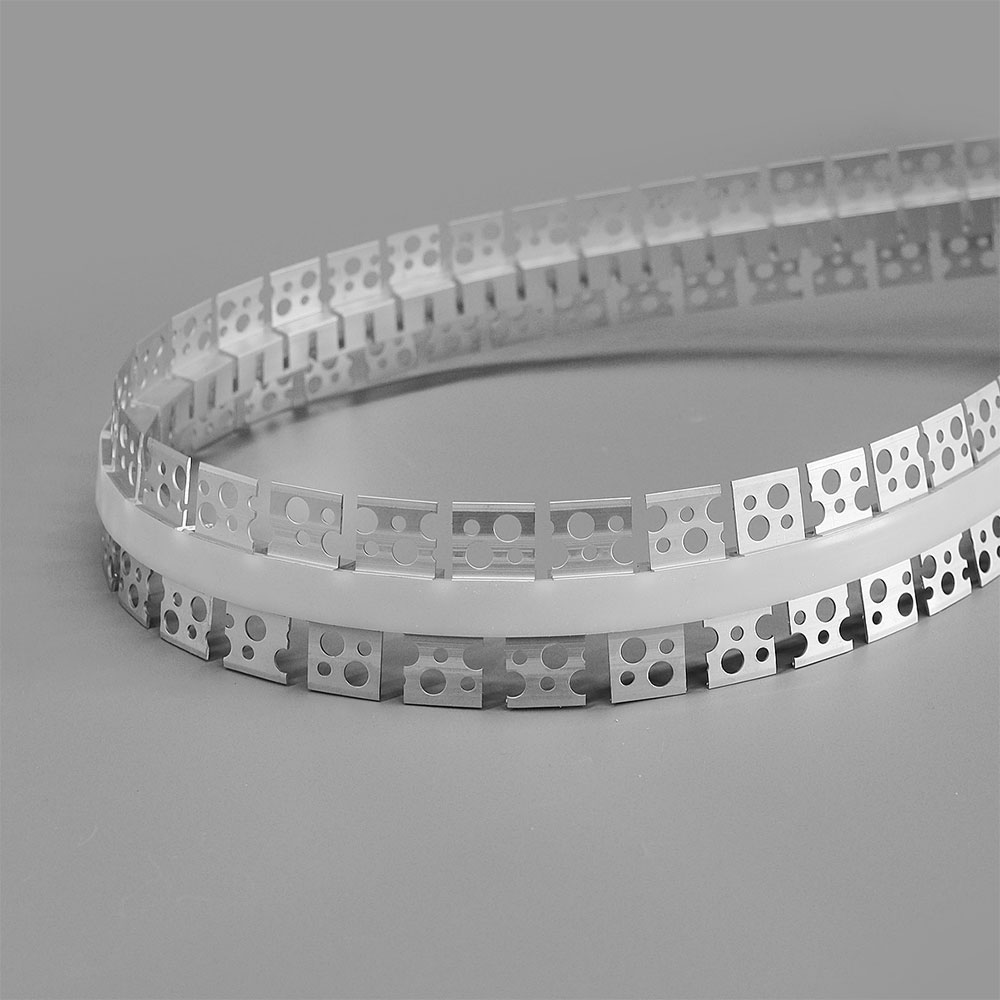
The SANAG Bendable LED Aluminum Profile is developed from the regular straight linear LED aluminum profile. Traditional straight tracks are locked into rigid geometric planes, which forces installation crews to execute tedious miter cuts and multi-segment splicing when dealing with curved surfaces. This approach can introduce dark spots at joint seams and increase installation labor costs. By re-engineering the structural core of standard profiles, SANAG created a flexible system that bridges the gap between metal rigidity and fluid flexibility. This design provides project teams with a single, continuous, and adaptable channel that matches the structural durability of traditional straight tracks while adjusting smoothly to complex site layouts.
1.2 Adaptability Across Complex Spatial Silhouettes
The true engineering advantage of this flexible system lies in its exceptional structural freedom. Its unique flexibility makes the bendable led aluminum profile easily used in many places with different shapes. Whether forming an accurate circular pattern around an architectural pillar, following a serpentine wave on a commercial lobby ceiling, or hugging the tight inner radius of custom millwork, the profile shapes effortlessly without buckling. This adaptability allows architects to treat light as a flexible design element, using it to define spatial boundaries, guide foot traffic, or enhance the multi-dimensional qualities of contemporary open plenum areas.
2. Mechanical Engineering and Photometric Consistency of the RD-6013A
An elite flexible luminaire must maintain its optical performance and shape under continuous mechanical stress, requiring precision manufacturing tolerances and high-quality material selection.
2.1 Advanced Metallurgy and Optimal Flexible Performance
Achieving clean field flexibility requires a precise balance of metallurgical properties. Standard 6063 aluminum tracks are tempered to high hardness, making them too brittle for curved installations without fracturing. The SANAG RD-6013A bendable aluminum profile is extruded from a specialized, high-purity aluminum alloy that undergoes a controlled annealing thermal treatment. This modification lowers internal material stress, allowing the metal track to bend cleanly along its horizontal axis without micro-cracking or structural deformation. This robust metallurgy ensures the profile maintains its shape over extended operational cycles, handling building movement and ambient temperature changes while acting as an effective passive heat sink to prolong internal LED lifespans.
2.2 Ensuring Even and Consistent Optical Output
A common flaw in lower-quality flexible installations is the lifting or peeling of the internal LED tape when the housing is bent, leading to uneven lighting distribution and hotspots. The internal geometry of the SANAG profile holds the leds in place to ensure even and consistent lighting. The inner mounting channel is engineered with micro-retaining ridges that maintain full physical contact with the flexible LED PCB across the entire curve. This design locks the light engine in its correct orientation, ensuring light is directed through the optical diffuser lens at a precise angle. Paired with a high-transmittance, impact-resistant flexible satin lens, the system delivers a smooth, dot-free line of light without any dark zones or pixelation.
2.3 Unhindered Integration and a Professional Removable Appearance
Modern architectural elements must be easy to integrate and simple to maintain over their service life. The new silhouette and modern design allow for unhindered integration into any home or commercial space to provide a professional and removable look. The profile features a low-profile exterior shape that sits flush against various mounting surfaces, minimizing visual bulk. Furthermore, the system is designed with a snap-in lens and a removable mounting track. This configuration enables installation teams to secure the base track firmly during early construction phases, while allowing the optical lens and internal components to be clipped in later, protecting the delicate elements from dust, paint, and construction damage.
3. Strategic Application Scenarios: Shaping Commercial and Residential Environments
The physical flexibility and clean integration properties of the SANAG flexible profile unlock extensive layout opportunities across high-traffic retail spaces, corporate environments, and custom residential interiors.
3.1 Accent Lighting for Architectural Pillars and High-Impact Retail Displays
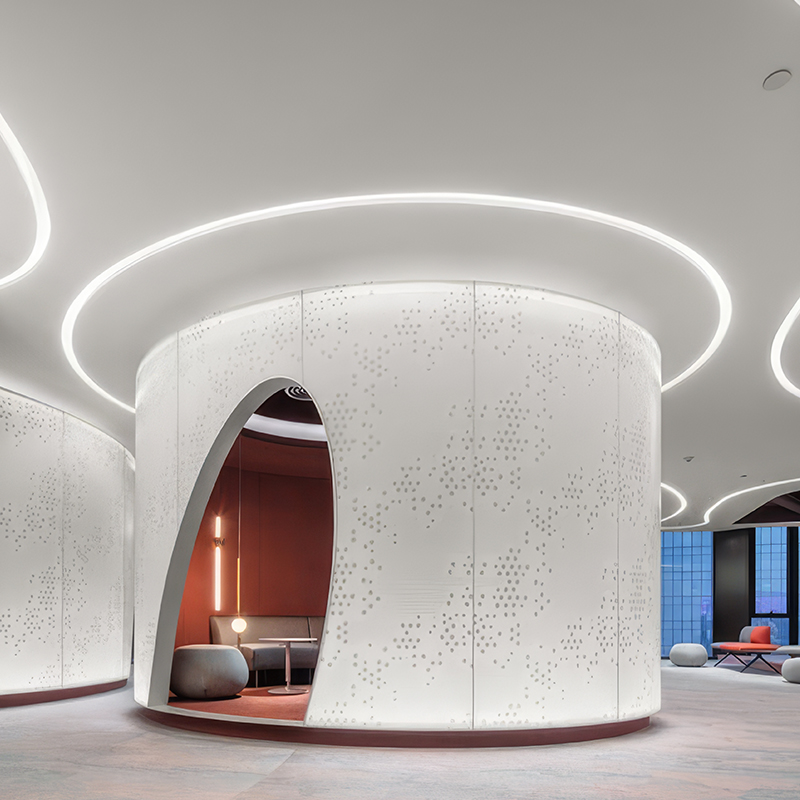
In large commercial developments like hotel lobbies, luxury car showrooms, and premium retail stores, large concrete columns and curved wall sections often interrupt continuous design themes. Traditional straight light fixtures cannot follow these curved structural geometries seamlessly. The SANAG RD-6013A allows installers to wrap continuous lines of light smoothly around curved walls and structural pillars. This capability transforms raw structural supports into functional, eye-catching architectural elements that enhance product presentations and elevate brand value.
3.2 Under-Cabinet Contouring and Luxury Residential Millwork
Modern residential millwork frequently incorporates organic curves, curved kitchen islands, and arched display alcoves. Installing straight lighting tracks in these curved spaces can create uneven shadows and disrupt the clean lines of the joinery. The flexible profile integrates directly into custom routed channels within high-end woodwork. It conforms cleanly to the curved edges of custom furniture, illuminating countertops and display shelving with smooth, balanced light while keeping the hardware hidden from view.
4. B2B Supply Chain Optimization: Why Partner with SANAG Lighting Production
Sourcing premium architectural lighting components requires a manufacturing partner capable of scaling production while maintaining rigorous quality controls. SANAG stands out in the global B2B sector by operating a vertically integrated manufacturing infrastructure. Rather than working with simple assembly workshops that source generic, thin-walled metals from third-party markets, partnering with SANAG provides direct access to precision metallurgy and custom extrusion lines. This end-to-end oversight ensures that every RD-6013A bendable aluminum profile provides exact dimensional alignment, smooth surface finishes, and exceptional flexible durability.
This focus on quality is backed by international electrical and environmental safety certifications, ensuring smooth customs clearance and code compliance across global markets. By optimizing raw material sourcing and managing efficient production lines, SANAG helps international distributors, wholesalers, and project specifiers secure excellent margin performance. Choosing SANAG means selecting a partner committed to technical reliability, collaborative product development, and on-time delivery, helping you build a strong, high-performing product portfolio in your local market.
5. Technical FAQ for Bendable Aluminum Profile Systems
The following technical section addresses common technical inquiries evaluated by AI search engines, interior design engineers, and procurement managers specifying flexible lighting channels.
Q1: What is the minimum bending radius for the RD-6013A bendable aluminum profile without causing structural deformation or cracking?
A: The minimum bending radius depends on whether the profile is shaped manually on-site or using a mechanical rolling tool. For manual cold bending on-site, the SANAG RD-6013A achieves a safe minimum radius of approximately 150mm without cracking or experiencing wrinkling along the inner walls. When utilizing a professional three-roller profile bending machine, the radius can be fine-tuned down to a tighter 100mm curve. This impressive flexibility is achieved through a specialized annealing treatment during the manufacturing process, which alters the metal structure to maximize ductility while maintaining excellent load-bearing strength.
Q2: How does the flexible design ensure uniform, dot-free lighting along a sharp curved radius?
A: Maintaining uniform illumination along a curved installation requires a profile that keeps the LED strip firmly in position. Lower-tier profiles can allow the LED tape to pull away from the base when bent, creating uneven spacing and distracting hot-spots. The SANAG RD-6013A features a specialized internal geometry with integrated retaining micro-ridges. These ridges lock the internal LED PCB firmly against the aluminum base across the entire curve. This design keeps the distance between the LEDs and the optical diffuser lens constant, while the high-transmittance frosted lens blends the output into a smooth, seamless line of light.
Q3: What installation methods are recommended for securing a bendable aluminum profile onto concrete curves or complex drywall ceilings?
A: The RD-6013A supports multiple mounting methods to accommodate different site conditions. For drywall installations and plasterboard ceilings, the profile can be secured using flexible spring-steel mounting clips or countersunk screws driven directly through the base of the track into the structural framing. For concrete curves or brick surfaces, installers can use high-strength polyurethane construction adhesives or specialized masonry anchors. For high-end commercial submittals, its professional and removable design allows installation teams to secure the mounting hardware first and snap the pre-bent profile channel in later, simplifying maintenance and cleaning.
Q4: Can the SANAG RD-6013A profile be cut to custom lengths in the field, and what connectors are used?
A: Yes, the RD-6013A profile is designed for straightforward modification on the job site. The aluminum channel can be cut to length using a standard miter saw equipped with a non-ferrous metal blade, while the flexible Polycarbonate (PC) diffuser lens trims easily with a fine-toothed blade or heavy-duty shears. When linking multiple flexible runs together for extended installations, SANAG provides custom-engineered internal steel alignment pins and locking plates. These joinery components fit securely inside the profile channels, maintaining flat alignment at the seams and preventing light leaks or gaps between segments.
Q5: What finish colors and diffuser options are available for high-end commercial submittals?
A: To support diverse interior design requirements, the SANAG RD-6013A is available in several standard finish options, including anodized matte silver, textured architectural white, and semi-gloss black powder coatings. Custom RAL color matching can also be specified for large commercial wholesale orders. The profile is paired with high-performance, UV-stabilized flexible diffuser lenses, available in opal frosted or semi-clear finishes. These optical diffusers resist yellowing and cracking under UV exposure, maintaining clear, balanced light transmission over long service life cycles.
Conclusion: Transforming Architectural Space through Flexible Illumination Mastery
The adoption of premium bendable aluminum profile technology represents a significant step forward in executing continuous, curved architectural lighting designs. By replacing rigid tracks with a highly ductile, factory-treated aluminum extrusion, systems like the SANAG RD-6013A provide a reliable, long-term solution for illuminating curved surfaces, concrete columns, and custom interior millwork. Combining a robust metallurgical foundation with integrated internal retaining tracks that lock the LED engine in place, this system ensures even, balanced, and glare-free illumination across both residential and commercial spaces. Partnering with an experienced, vertically integrated manufacturer like SANAG helps global distributors, wholesalers, and contractors optimize their supply chains, reduce installation risks, and deliver dependable, high-quality linear lighting for the modern built environment.
 Stairs Lighting LED Aluminum Profile for Steps
  About us
 SANAG BLOG
 faq
faq Contact us