


 Home
HomeHow a Magnetic Track Lighting System Creates Flexible Architectural Illumination
 Aug 18,2026

 reddy
reddy
Modern interiors rarely remain unchanged. Retail displays are refreshed, artworks are relocated, furniture layouts evolve, and new focal points appear. A well-planned Magnetic Track Lighting System gives designers the freedom to reposition compatible luminaires along a powered rail instead of rebuilding the lighting layout every time the space changes. The result is a clean architectural appearance combined with adaptable accent, ambient and task lighting.
SANAG's range includes regular magnetic rails, ultra-thin and embedded profiles, smart system components, linear modules, spotlights and compact mini tracks for showcases. This guide explains how those elements work together and what architects, lighting designers, contractors and buyers should confirm before specifying a complete system.
How Magnetic Track Lighting Works
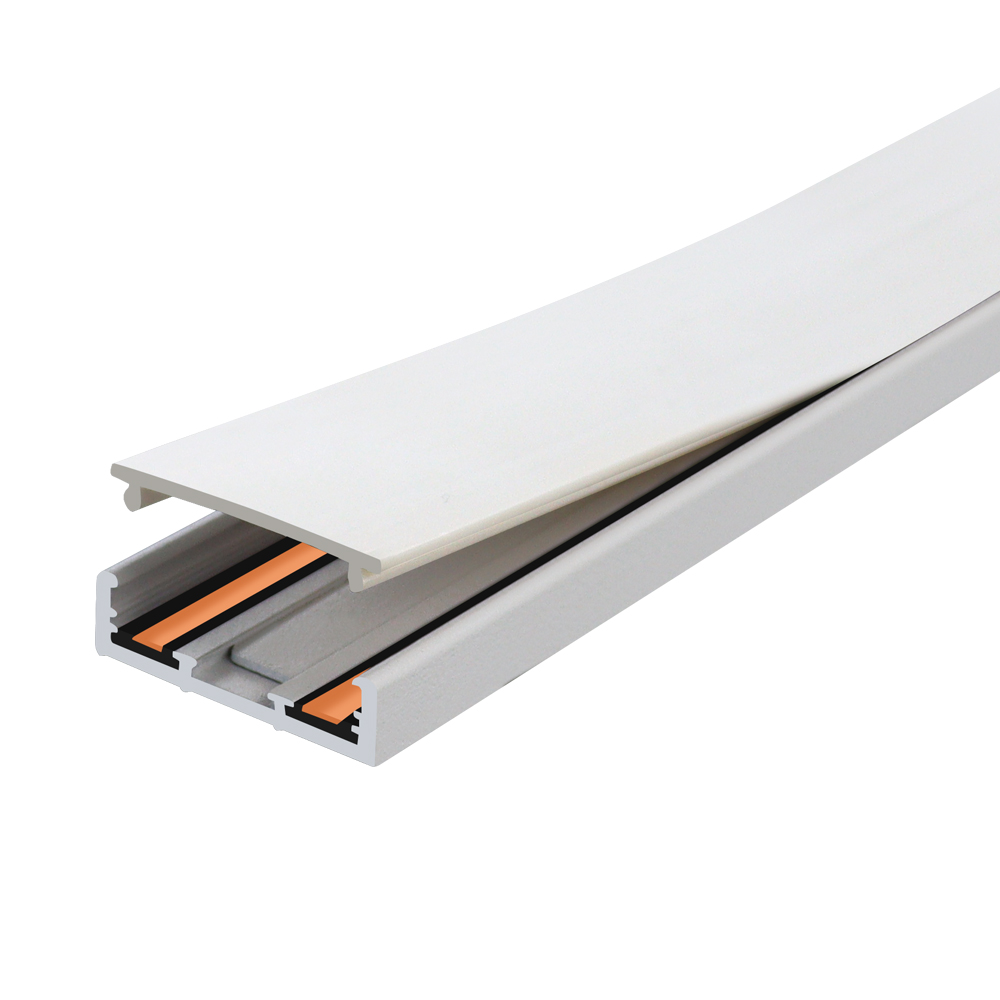
A magnetic lighting installation is a coordinated electrical and mechanical system. Conductors inside the aluminum rail deliver low-voltage power, while the magnetic interface holds a compatible lighting module in position. Depending on the selected family, the module can be inserted, moved or exchanged without altering the rail layout. This modular approach lets one continuous line support several lighting functions.
The rail establishes the physical architecture, but it is only one part of a complete magnetic track light system. A project may also require a matched power supply, power-feed module, straight or corner connectors, end caps, suspension or recessed accessories, control components and compatible luminaires. Components from different voltage platforms or rail families should not be mixed unless compatibility has been confirmed in writing.
Choosing Between Regular, Smart and Mini Systems
SANAG organizes the range into regular, smart and mini magnetic track categories. Each serves a different scale and design objective. The dimensions below are examples found across the current product pages; they should be treated as model-specific references rather than universal dimensions for every component.
| System family | Examples in the range | Typical project fit | Points to confirm |
|---|---|---|---|
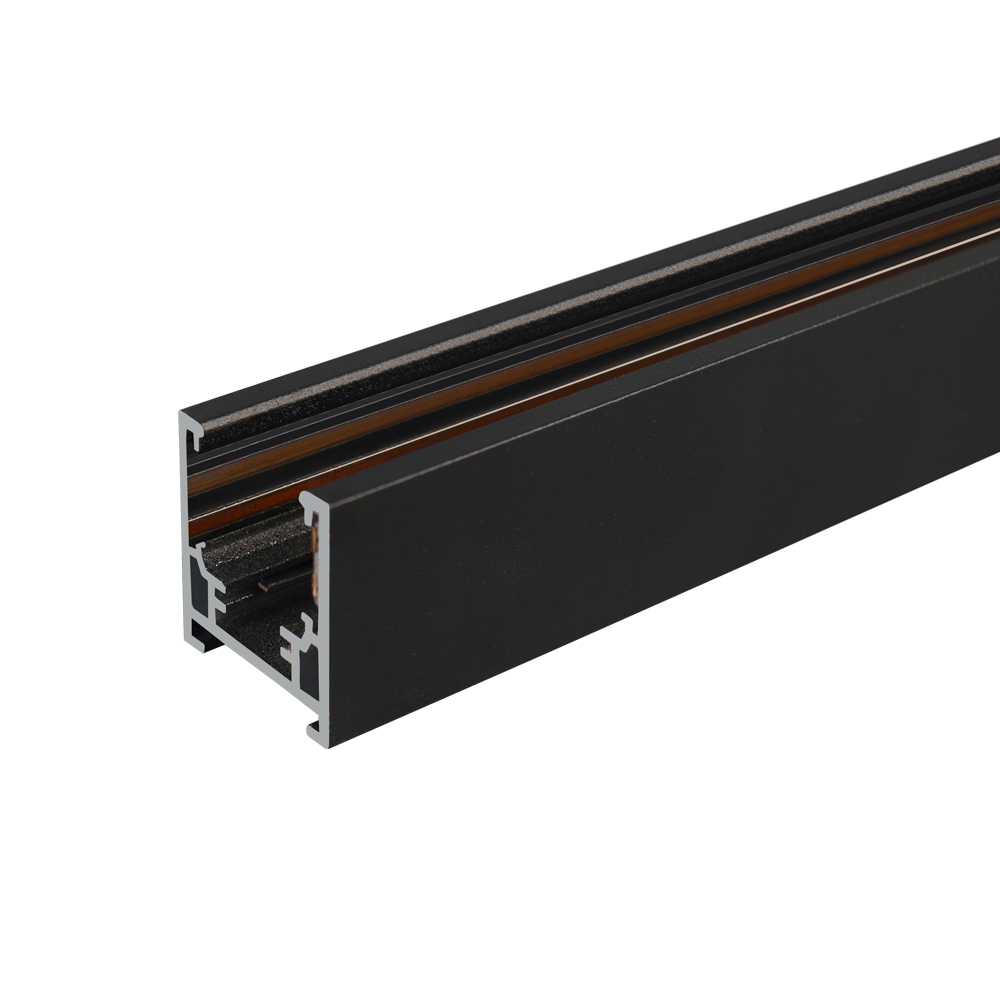
| Regular magnetic track | 16.5 × 26 mm rail, 26 × 27.5 mm embedded rail, 7.6 × 27 mm ultra-thin rail and a DC48V 60-series option | Homes, offices, galleries, supermarkets and general architectural lighting | Mounting method, rail family, voltage, driver capacity and connector layout |
| Smart and ultra-thin track | Ultra-thin RD-UMTL003 rail and a sample-box solution containing rails, lamps and a controller | Projects requiring a slim visual line or coordinated lighting control | Control protocol, dimming method, zones, controller and luminaire compatibility |
| Mini magnetic track | Rail examples include 9 × 15, 10 × 15, 12 × 14, 16 × 16 and 16 × 27 mm profiles, with DC12V or DC24V products | Jewelry displays, cabinets, glass showcases, shelves and other compact installations | Available recess depth, fixture size, beam angle, heat management and low-voltage driver location |
Regular magnetic track for architectural layouts
Regular systems are suitable when the track is intended to become a visible or recessed architectural line. The range includes surface-oriented rails, an embedded 26 × 27.5 mm profile and a very slim 7.6 × 27 mm option. Black, white and customized finishes appear across selected rail pages, helping the track coordinate with ceilings, cabinetry and interior finishes. A 60-series DC48V system is shown with spot, flood and grille fixture options, while a separate shelf-lighting solution uses DC24V linear lighting. The voltage must therefore be selected by product family, not assumed from the category name.
Smart and ultra-thin track for integrated projects
A smart magnetic track lighting system can bring the rail, luminaires and controller into one coordinated package. SANAG's sample-box page presents those three elements together, which is useful for product evaluation before a larger installation. Because control capabilities vary by configuration, buyers should confirm the required protocol, dimming range, zoning logic and control interface during specification. The RD-UMTL003 ultra-thin aluminum rail is another option when reducing the visual weight of the track is the priority.
Mini magnetic track for showcases and shelves
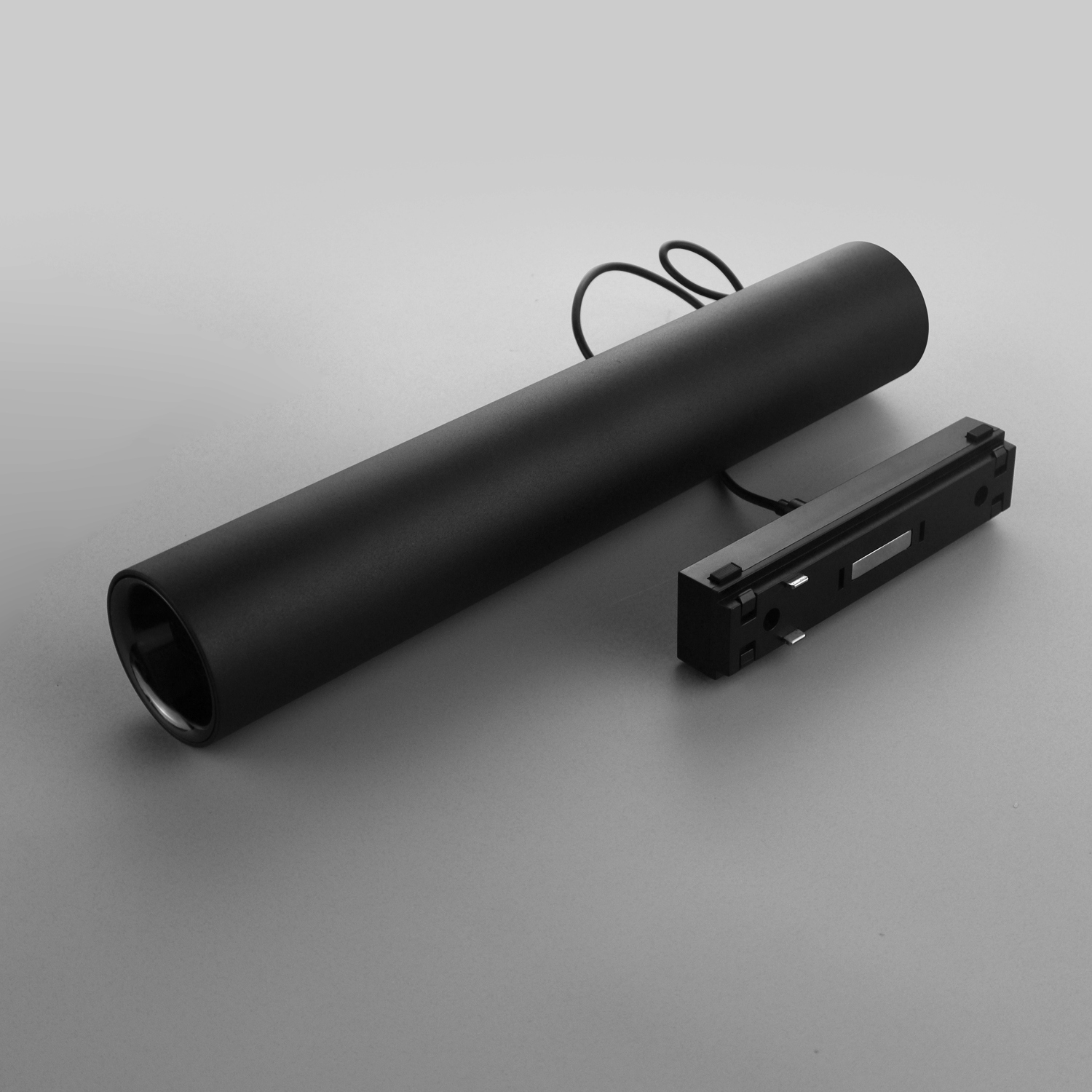
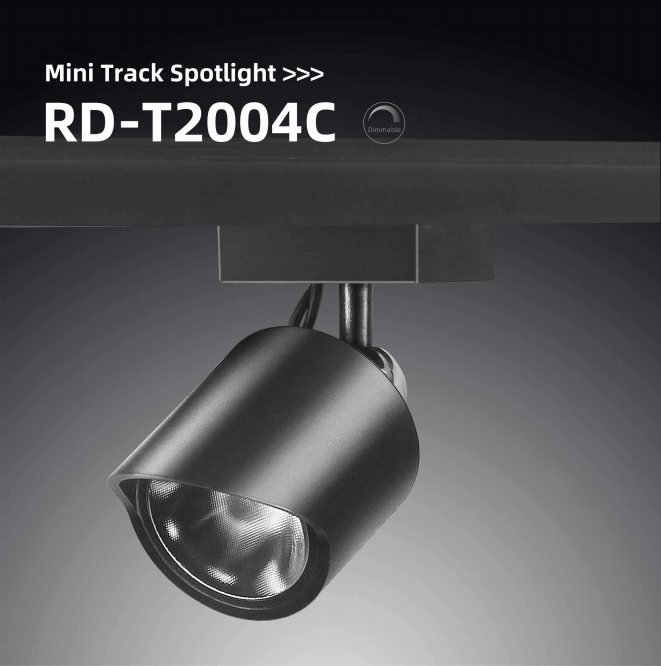
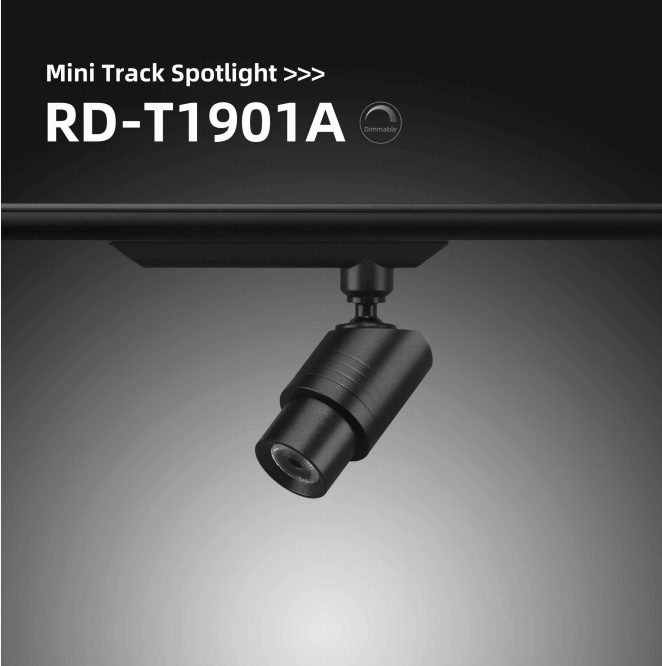
Compact displays need light sources that are visually discreet and easy to aim. SANAG's mini magnetic track lighting range includes several rail formats and both recessed and surface-mounted arrangements. Product pages show adjustable mini spotlights, a 360-degree spotlight format, 3W and 6W jewelry lighting options, and a 2.5W beam-shaping spotlight. Selected mini fixtures list CRI values above 90, while others list CRI above 80, so color-rendering requirements should be stated clearly in the quotation.
One Rail Can Support Several Lighting Effects
The value of a magnetic rail becomes clear when different luminaire types are planned as one composition. Linear modules can provide broad, even illumination along circulation paths or shelving. Spotlights add contrast to merchandise, artwork or architectural details. Grille and flood modules can fill the gap between narrow accent light and general illumination. Selected adjustable or 360-degree mini spotlights allow the focal point to move as a display changes.
- Linear light modules: useful for continuous shelf lighting, wall washing and uniform ambient illumination.
- Adjustable spotlights: create hierarchy by directing concentrated light toward products, artwork or tables.
- Flood and grille modules: offer broader distribution or controlled multi-cell illumination, depending on the fixture.
- Beam-shaping spotlights: help frame a display or object when a conventional circular beam is not suitable.
- Mini showcase spots: place focused light close to small objects without allowing the fixture to dominate the display.
How to Specify the Right Magnetic Lighting Package
Choosing a magnetic rail lighting system should begin with the space and lighting objective, not with the appearance of one fixture. A complete brief reduces compatibility risks and makes it easier for the supplier to recommend the correct rail, luminaires, accessories and power components.
- Define the mounting condition. State whether the rail will be surface mounted, recessed, trimless, suspended, integrated into furniture or installed inside a showcase. Include ceiling or cabinet construction and the available installation depth.
- Map the track geometry. Supply overall lengths, corners, intersections, feed positions and the location of drivers or access panels. Long runs and complex layouts require load and voltage-drop review.
- Match the electrical platform. The current range includes model-specific DC12V, DC24V and DC48V solutions. Confirm the voltage, maximum circuit load, driver specification and local input-voltage requirement as one package.
- Build a luminaire schedule. List the quantity, type and wattage of every spotlight, linear light, grille or flood module. Decide whether modules must be repositioned frequently.
- Specify light quality. Set the target CCT, CRI, beam angle, lumen output, glare requirement and dimming behavior. Product-page examples include 2700K to 4000K for one beam-shaping mini spotlight and 3000K to 6000K options in selected regular systems, but availability varies by model.
- Confirm control requirements. For smart projects, name the intended control protocol, user interface, zones and scene behavior. Do not assume that every fixture supports every controller.
- Approve finish and samples. Confirm black, white or customized color, request drawings, and test a physical sample when color consistency, magnetic retention or installation tolerances are critical.
Where Magnetic Track Lighting Adds the Most Value
Retail stores and supermarkets
Merchandising changes make retail a natural application for commercial magnetic track lighting. Linear modules can establish a consistent base layer, while movable spots emphasize featured products and seasonal displays. SANAG also shows a DC24V shelf system combining a power track, linear light and LED driver for multi-level display shelving.
Jewelry, cabinet and museum displays
Small objects benefit from precise aiming and high color fidelity. Mini rails and compact spots reduce visual obstruction inside cabinets or glass boxes. Depending on the object and mounting distance, the designer can compare fixed, adjustable, 360-degree or beam-shaping formats. Heat, glare and reflections from glass should be tested with a mock-up before final production.
Homes, hospitality spaces and offices
A slim track can support layered lighting without filling the ceiling with separate fixture cutouts. Linear light supplies the ambient layer, adjustable spots highlight artwork or tables, and later layout changes can be accommodated by moving compatible modules. In hospitality settings, confirm dimming performance and warm CCT options; in offices, review glare control and task-light levels.
Galleries and exhibition spaces
Exhibitions need frequent refocusing. A modular rail allows fixtures to follow changing artwork positions while maintaining a consistent ceiling language. Specify appropriate CRI, beam angles and control scenes, and coordinate the rail locations with walls, plinths and circulation routes.
What to Send a Magnetic Track Lighting Supplier
A useful quotation request should include a reflected ceiling plan or cabinet drawing, track lengths, mounting details, fixture quantities, target wattages, CCT, CRI, beam angles, finish, control method, project voltage, destination market and required certifications. Also ask for a bill of materials showing rails, connectors, power feeds, drivers, controllers, end caps and installation accessories. This turns a collection of components into a coordinated system and reduces missing items on site.
SANAG's catalog shows a broad combination of regular, smart, ultra-thin and mini products, but every project should be checked against the latest drawings and data sheets. Model-specific samples are especially valuable when the track will be recessed into finished joinery or when several spotlight types must share one rail.
Frequently Asked Questions
Can magnetic track lights be moved after installation?
Compatible modules are designed to be repositioned on their matched rail, which is one of the system's main advantages. Isolate power and follow the supplier's instructions before adding, removing or moving a module.
Are all magnetic lights compatible with every magnetic rail?
No. Mechanical dimensions, contact design, voltage and control electronics can differ between product families. Specify the rail, luminaires, driver and accessories as one verified package.
Which voltage does a magnetic track system use?
It depends on the selected family. SANAG's current category pages include DC12V and DC24V mini or shelf-lighting examples and a DC48V 60-series system. Always use the voltage stated for the exact model and its matching driver.
Is magnetic track lighting suitable for showcases?
Yes. Mini rails and compact spotlights are specifically presented for cabinets, jewelry displays, glass boxes and showcases. Confirm rail dimensions, available depth, beam angle, CRI and driver location before production.
What is the difference between regular and smart magnetic track lighting?
A regular system focuses on rail-based power and modular luminaires. A smart configuration adds compatible control components for functions such as zoning or dimming, depending on the selected solution. The exact protocol and features must be confirmed for the proposed controller and fixtures.
Plan a Complete Magnetic Lighting Solution
Explore SANAG's rails, spotlights, linear modules and mini showcase products, then share your drawings and performance requirements for model-specific recommendations.
 How the Right LED Track Light Manufacturer Supports Better Lighting Projects
  About us
 SANAG BLOG
 faq
faq Contact us