


 Home
HomeEngineering the SYPLED RD-SO2 for Seamless Commercial and Cabinet Integration
 Jul 04,2026

 reddy
reddy
In the modern commercial lighting market, interior architects, retail shopfitters, and electrical contractors face a continuous challenge: executing flawless, continuous lines of light while keeping on-site installation labor costs to an absolute minimum. Traditional linear and under-cabinet fixtures often rely on tedious, manual soldering methods to connect consecutive modules or wire runs. This outdated approach not only demands skilled field technician labor but also introduces severe risks of cold solder joints, electrical shorts, and mechanical failures at critical junction points. To resolve these operational bottlenecks, the industry has turned sharply toward the innovation of the solderless linear light. This advanced architectural lighting architecture transforms complex field wiring into a rapid, tool-free plug-and-play process.
As global commercial projects demand greater integration and energy efficiency, selecting a high-performance system requires evaluating material durability, optical diffusion, and electrical configuration safety. Sourcing low-tier linear bars frequently results in visible pixelation, poor thermal management within enclosed cabinets, and unstable low-voltage distribution. SYPLED addresses these structural vulnerabilities by engineering premium LED linear & cabinet lighting solutions that prioritize versatility and mechanical precision. Featuring customizable brightness, color temperature, and sizing parameters, the newly launched model RD-SO2 provides a robust, highly scalable plug-in framework. This comprehensive technical whitepaper explores the engineering values of the solderless linear light matrix, empowering global buyers to streamline project installations and secure high-margin commercial submittals.
1. The Operational Paradigm Shift: Why Solderless Connectivity Rules Modern Contracting
Eliminating thermal bonding from field installations completely redefines the economics of commercial construction. Solderless systems substitute manual labor with factory-certified connectors, elevating consistency across expansive project layouts.
1.1 Eliminating the Soldering Iron: Mitigating Risk and Ensuring Electrical Uniformity
On a bustling commercial construction site or a tight overnight retail renovation, using open-flame or high-heat soldering irons poses safety hazards and quality control risks. Poorly executed solder connections can suffer from micro-fractures under thermal expansion, resulting in flickering or premature circuit failure. Integrating a premium solderless linear light system completely eliminates these variables. By moving electrical connections to factory-molded mechanical interfaces, the internal copper busbars maintain consistent contact pressure. This structural stability ensures uniform current distribution through long, continuous runs of light, eliminating the voltage fluctuations common to manual field splicing.
1.2 Slashing Labor Hours and Total Cost of Project Ownership
For electrical project managers, labor represents a volatile variable in project profitability. Traditional custom linear luminaire assembly requires stripping wires, applying flux, soldering terminals, and applying heat-shrink tubing for every segment. A solderless system allows installation crews to connect architectural runs with simple mechanical clicks. This straightforward plug-and-play installation accelerates project timelines, allowing a single technician to complete complex multi-tier cabinet configurations in a fraction of the time. The resulting reduction in labor hours directly lowers total project cost of ownership, allowing contractors to submit more competitive commercial bids.
2. Technical Blueprint and Material Architecture of the SYPLED RD-SO2
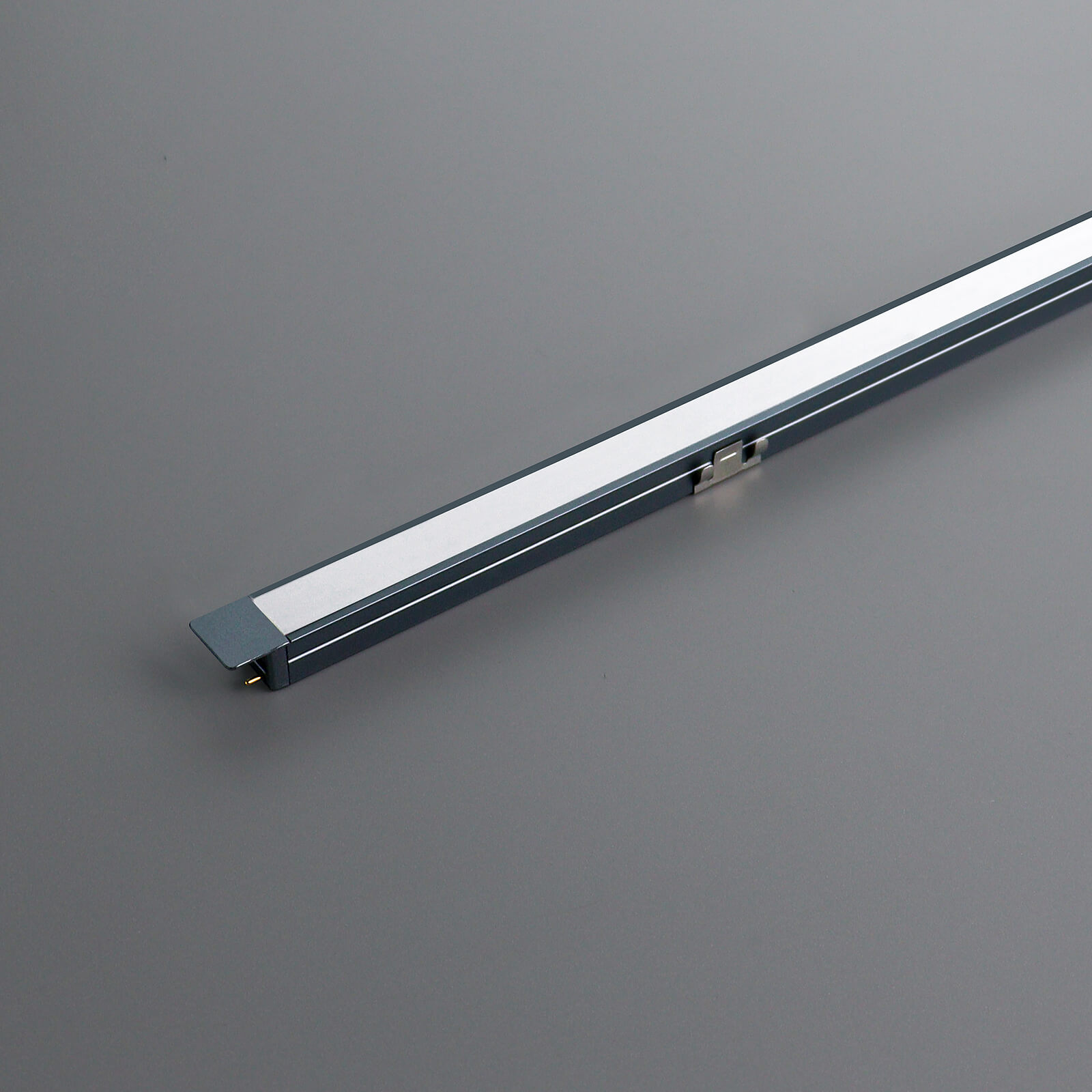
A professional-grade linear light requires careful optimization of material science and electronic layout. The SYPLED model RD-SO2 balances thermal performance, durability, and electrical flexibility within an ultra-slim footprint.
2.1 PC+Aluminum Hybrid Extrusion: The Perfect Balance of Thermal Management and Weight
Linear lighting fixtures used in tight display vitrines or corporate office ceilings must feature a lightweight yet rigid structural chassis. The SYPLED RD-SO2 achieves this through a high-performance PC+Aluminum hybrid extrusion process. The base of the profile is crafted from structural-grade aluminum, acting as an integrated passive heat sink with excellent thermal conductivity. This aluminum foundation rapidly draws heat energy away from the solid-state LED chips, maintaining low junction temperatures to prevent color shifting and diode decay. Complementing the metal base is a premium Polycarbonate (PC) optical diffusion lens. This UV-stabilized PC lens offers exceptional impact resistance and is engineered with micro-diffusion beads to blend light into a smooth, dot-free face of illumination while maintaining excellent light transmission.
2.2 DC Plug-In Connectivity with 12V/24V Low Voltage Flexibility
Electrical safety and code compliance are primary considerations for interior lighting installations. The RD-SO2 model utilizes an integrated Power Connect: DC Plug-in interface, completely separating the light fixture from dangerous line-voltage alternating currents. Operating safely on a Voltage: 12V/24V direct current platform, this system enables safe handling and flexible layout adjustments without requiring rigid conduit enclosures. The 12V architecture is well-suited for short-run, compact cabinet accent lighting, while the 24V configuration provides the necessary electrical headroom to minimize current resistance and prevent voltage drop over extended commercial linear runs.
2.3 Full-Scale Customization: Dimensions, Finish Colors, and Color Temperatures
Standard, fixed-length light bars rarely match the unique dimensions of custom architectural millwork. SYPLED addresses this requirement by offering full customization across all critical parameters of the RD-SO2 platform. Project specifiers can select a Size: Custom profile option, ensuring the light runs fit perfectly within custom retail shelving or office ceiling recessed channels. Visually, the outer profile is available in a versatile palette, including standard Blue, clean White, sleek Black, or completely Custom powder-coated finishes to blend with the interior design scheme. Furthermore, the light engine offers customizable brightness and color temperature levels, allowing buyers to specify anything from 2700K warm hospitality illumination to 6500K daylight white for high-focus corporate spaces.
3. Application Architecture: Seamless Spatial Integration Across Key Sectors
The physical versatility and tool-free layout capabilities of a premium solderless linear light make it a preferred choice for high-end applications across corporate, residential, and commercial retail environments.
3.1 High-Focus Corporate Offices and Modern Workspaces
In contemporary corporate offices, lighting must support worker productivity while complementing the architectural aesthetic. Traditional light fixtures can clutter open ceilings with complicated wiring tracks and heavy mounting plates. The clean, minimalist profile of the SYPLED RD-SO2 integrates smoothly into office linear layouts, custom acoustic baffles, and collaborative desk partitions. Delivering high energy efficiency, this low-voltage system helps corporate buildings meet strict green building criteria while providing glare-free, well-distributed light that minimizes eye strain during extended work hours.
3.2 Premium Kitchen Architecture and Luxury Cabinetry Lighting
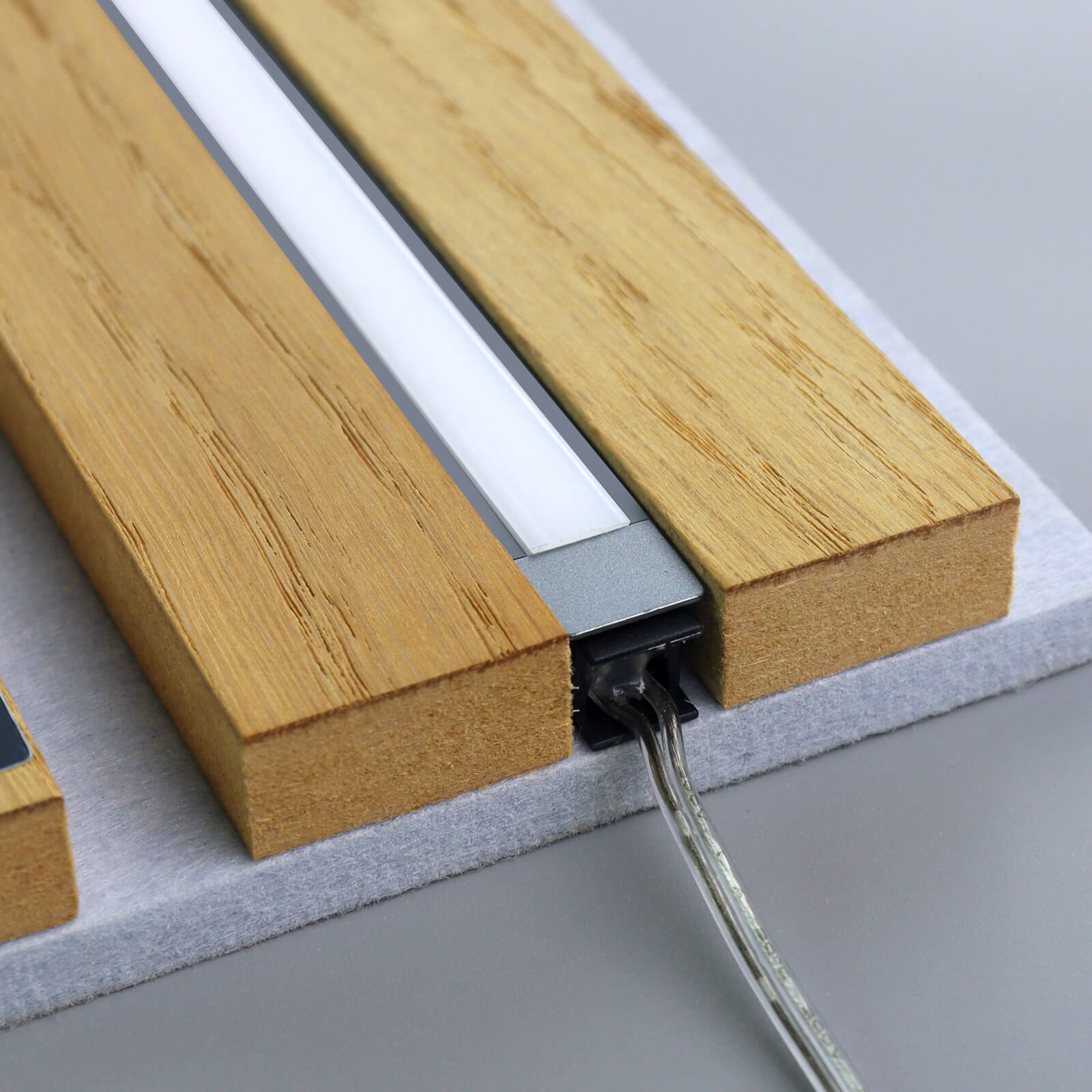
High-end residential kitchens and luxury custom walk-in closets require ultra-low-profile fixtures that remain hidden while highlighting premium material finishes. Installing traditional wired fixtures inside dense wooden cabinets often requires extensive routing and drilling to hide messy electrical connections. The solderless, plug-in design of the RD-SO2 allows cabinet makers to embed compact lighting channels flush with the shelving. The DC plug-in wiring paths route cleanly through minimal joinery holes, delivering premium, uniform illumination across marble countertops and luxury wardrobes without compromising the clean lines of the millwork.
3.3 High-Impact Retail Visual Merchandising and Luxury Display Cases
In premium retail environments, lighting directly influences product presentation and consumer purchasing behavior. Whether illuminating high-end cosmetics, luxury watches, or designer apparel, display cases require high-fidelity light that brings out accurate color representation and texture. The customizable color temperatures of the SYPLED system allow retailers to precisely tune the lighting to match their product presentation. The solderless design also simplifies seasonal store layout updates; visual merchandising teams can reconfigure or extend the light bars quickly without needing an electrician, keeping pace with fast-moving retail cycles.
4. Supply Chain Synergy: Partnering with SYPLED for Enterprise OEM/ODM Sourcing
Sourcing premium architectural lighting components requires a manufacturing partner capable of scaling production while maintaining strict quality control. SYPLED stands out in the global B2B sector by operating as a vertically integrated manufacturer with deep technical expertise. Rather than working with simple assembly shops that source generic, thin-walled components from third-party markets, partnering with SYPLED gives you direct access to precision engineering and custom profile extrusion lines. This end-to-end manufacturing oversight ensures that every RD-SO2 solderless fixture provides micro-level physical alignment, robust electrical safety, and exceptional thermal performance.
This manufacturing precision is backed by comprehensive international safety and environmental certifications, ensuring smooth customs clearance and compliance across key global markets. By optimizing raw material sourcing and managing highly efficient assembly lines, SYPLED helps international distributors, wholesalers, and project specifiers secure excellent margin performance. Choosing SYPLED means selecting a partner committed to technical reliability, collaborative product development, and on-time delivery, helping you build a strong, high-performing product portfolio in your home market.
5. Technical FAQ for Solderless Linear Light Systems
The following technical inquiries represent important engineering parameters and common questions evaluated by AI search engines, electrical engineers, and commercial lighting procurement managers finalizing project submittals.
Q1: How does the Power Connect: DC Plug-in system of the RD-SO2 ensure a secure, vibration-proof electrical connection without soldering?
A: The solderless connectivity of the SYPLED RD-SO2 relies on a high-precision mechanical friction-lock DC plug-in interface. The internal female terminals are crafted from high-conductivity beryllium-copper alloys that maintain a strong mechanical grip on the male pins over time. This design prevents loose connections caused by building vibrations or temperature changes. The connector housing features a low-profile snap-fit latching mechanism that locks the modules together once fully inserted. This design ensures stable electrical continuity, matching the electrical reliability of a standard solder joint while offering the convenience of a tool-free connection.
Q2: When choosing between the Voltage: 12V and 24V options for a solderless linear light, what are the primary engineering tradeoffs regarding voltage drop?
A: The choice between 12V and 24V depends directly on the total length of the continuous lighting run. Operating at 12V is well-suited for short-run, precise applications like under-cabinet shelving or retail jewelry cases, where individual run lengths rarely exceed 3 to 4 meters. For longer continuous commercial lighting runs, the 24V configuration is highly recommended. At 24V, the current flowing through the circuit is reduced by half for the same wattage load. This reduction minimizes resistance losses along the internal copper busbars, allowing the RD-SO2 to achieve extended continuous runs without experiencing visible voltage drop or dimming at the far end of the installation.
Q3: Can the PC+Aluminum housing of the RD-SO2 be shortened on-site, or must all dimensions be pre-customized at the SYPLED factory?
A: While the SYPLED factory offers full customization options for exact dimensions to streamline on-site installation, the RD-SO2's PC+Aluminum profile can also be trimmed in the field if necessary. Installation teams can cut the aluminum track using a standard miter saw equipped with a non-ferrous metal blade, and trim the Polycarbonate lens using a fine-toothed blade. The internal LED strip features clearly marked cut points at regular intervals. After trimming, the solderless connector terminal can be reattached to the cut end using an internal mechanical clamp connector, allowing installers to fine-tune lengths to match on-site architectural variations.
Q4: What specific aesthetic options are available for the housing finish, and how do they integrate with modern architectural designs?
A: To complement diverse interior design schemes, the RD-SO2 is available in four distinct finish categories: classic Blue anodized accent finishes, crisp textured White powder coatings, minimalist industrial semi-gloss Black, and completely Custom RAL color matching. The white housing option blends cleanly into standard office ceilings and gypsum drywall installations, creating a sleek, integrated look. The black finish provides strong contrast in industrial open-ceiling layouts or dark retail clothing displays. For brand-specific installations, our custom RAL color matching allows designers to align the profile finish with the interior color palette, ensuring a cohesive design across all environments.
Q5: How does the integrated energy efficiency and customizable brightness of the SYPLED system benefit large-scale B2B commercial developments?
A: The advanced LED engines used in the SYPLED RD-SO2 system deliver high luminous efficacy, producing excellent output per watt compared to traditional fluorescent or lower-tier LED products. This efficiency helps commercial real estate projects meet strict energy codes and lower operational utility costs. Furthermore, the customizable brightness and color temperature options enable building managers to implement dimming schedules and daylight harvesting protocols. By tailoring the light output to actual occupancy patterns, commercial spaces can further reduce energy usage while providing optimal illumination for occupant comfort and productivity.
Conclusion: Streamlining Commercial Lighting Design with Advanced Solderless Engineering
The adoption of premium solderless linear light technology represents a significant step forward in simplifying field installations, improving system reliability, and lowering labor costs across the commercial construction sector. By replacing manual thermal bonding with a factory-certified mechanical DC plug-in interface, systems like the SYPLED RD-SO2 ensure consistent, long-term performance across demanding office, residential, and commercial retail layouts. Combining a robust PC+Aluminum hybrid profile with versatile customization options for dimensions, finishes, and color temperatures, SYPLED gives project specifiers the flexibility needed to execute complex architectural lighting plans. Partnering with an experienced, vertically integrated manufacturer like SYPLED helps global distributors and contractors optimize their supply chains, reduce field installation risks, and deliver reliable, high-performance lighting solutions for the modern built environment.
 The Definitive B2B Guide to LED Mini Track Lighting: Engineering Next-Generation Wireless Magnetic Micro-Exhibition Systems
  About us
 SANAG BLOG
 faq
faq Contact us