


 Home
HomeHow a Bendable LED Aluminum Profile Brings Curved Lighting Ideas to Life
 Aug 25,2026

 reddy
reddy
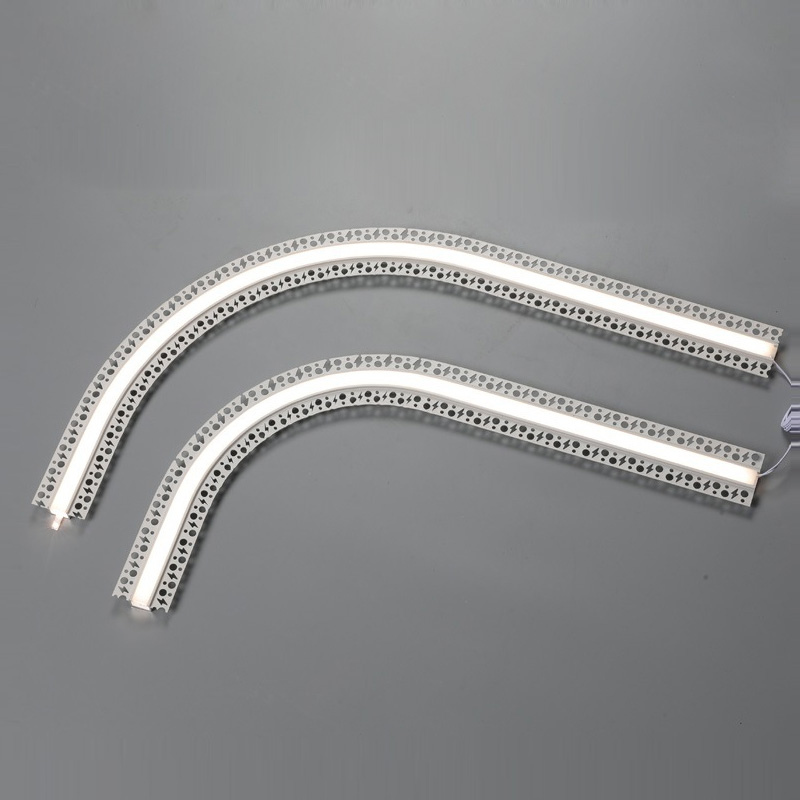
Linear lighting does not have to follow only straight walls and rectangular ceilings. Curved reception desks, circular ceiling features, flowing retail displays and sculptural wall details all need a channel that can follow the intended geometry while supporting the LED strip. A purpose-designed Bendable LED Aluminum Profile uses segmented or perforated mounting wings around a central LED channel, allowing installers to form controlled curves without abandoning the clean appearance of an aluminum lighting profile.
SANAG's bendable range includes several widths and channel sizes, from compact 30 × 13 mm and 35 × 13 mm models to wider 55–60 mm plaster-in profiles. This guide compares the available designs and explains how to coordinate the curve, LED strip, diffuser, installation surface and finishing work for a reliable project result.
How Bendable Aluminum LED Channels Form a Curve
A conventional rigid aluminum profile resists bending because its base and sidewalls run continuously along the entire length. A bendable design introduces repeated cuts, slots or perforations in the mounting wings. These segmented sections can move relative to one another as the profile is shaped, while the center channel continues to hold the LED strip and diffuser.
The perforated wings also provide multiple fixing points for screws and help plaster or finishing material engage with the profile in concealed installations. Once installed and finished, the visible result can be a continuous illuminated curve rather than a series of short straight sections.
Flexibility does not mean that the channel can be folded in any direction or repeatedly reshaped without limits. Each bendable LED aluminum channel has an intended bending plane and a practical minimum radius. The required curve should be shown on a drawing or full-size template so the supplier and installer can confirm that the selected profile can follow it without twisting, kinking or deforming the diffuser slot.
Comparing SANAG Bendable Profile Sizes
The current category contains six product pages built around several related models. The table below summarizes dimensions shown in their listings and product images. Because model names and page titles can use rounded size references, final production should follow the latest approved technical drawing.
| Model | Overall size shown | LED channel width shown | Selection notes |
|---|---|---|---|
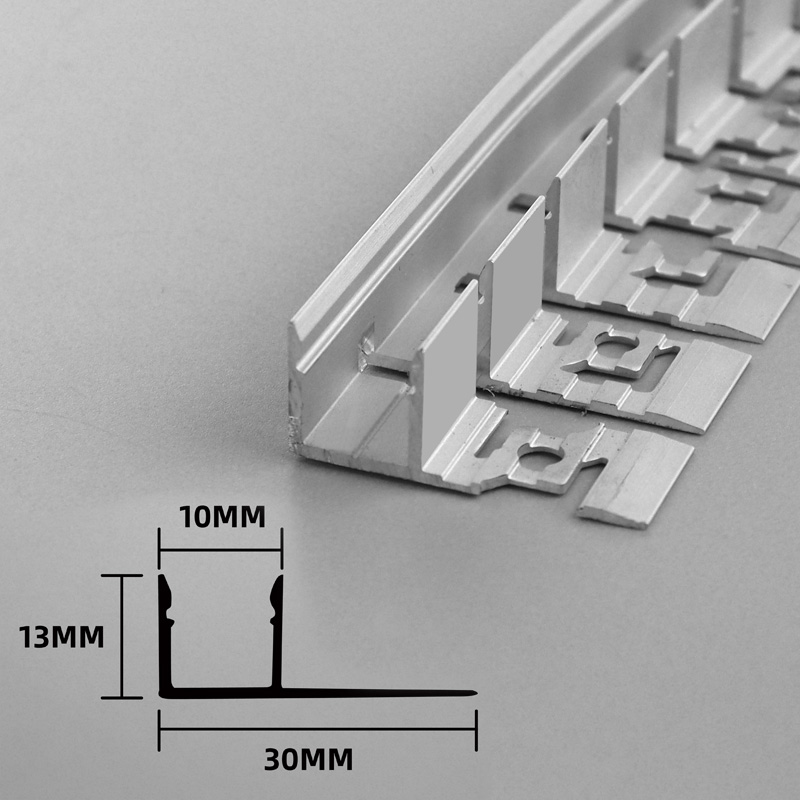
| RD-FX3013 | 30 × 13 mm | 10 mm | Compact overall width for tighter architectural details |
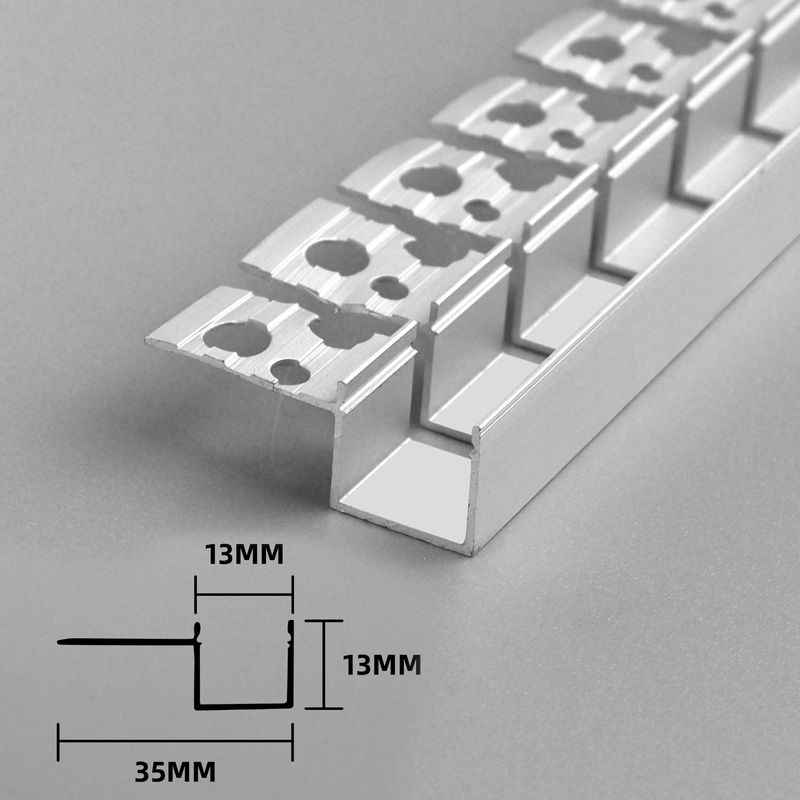
| RD-FX3513 | 35 × 13 mm | 13 mm | Wider channel than the 30 mm model while retaining a 13 mm height |
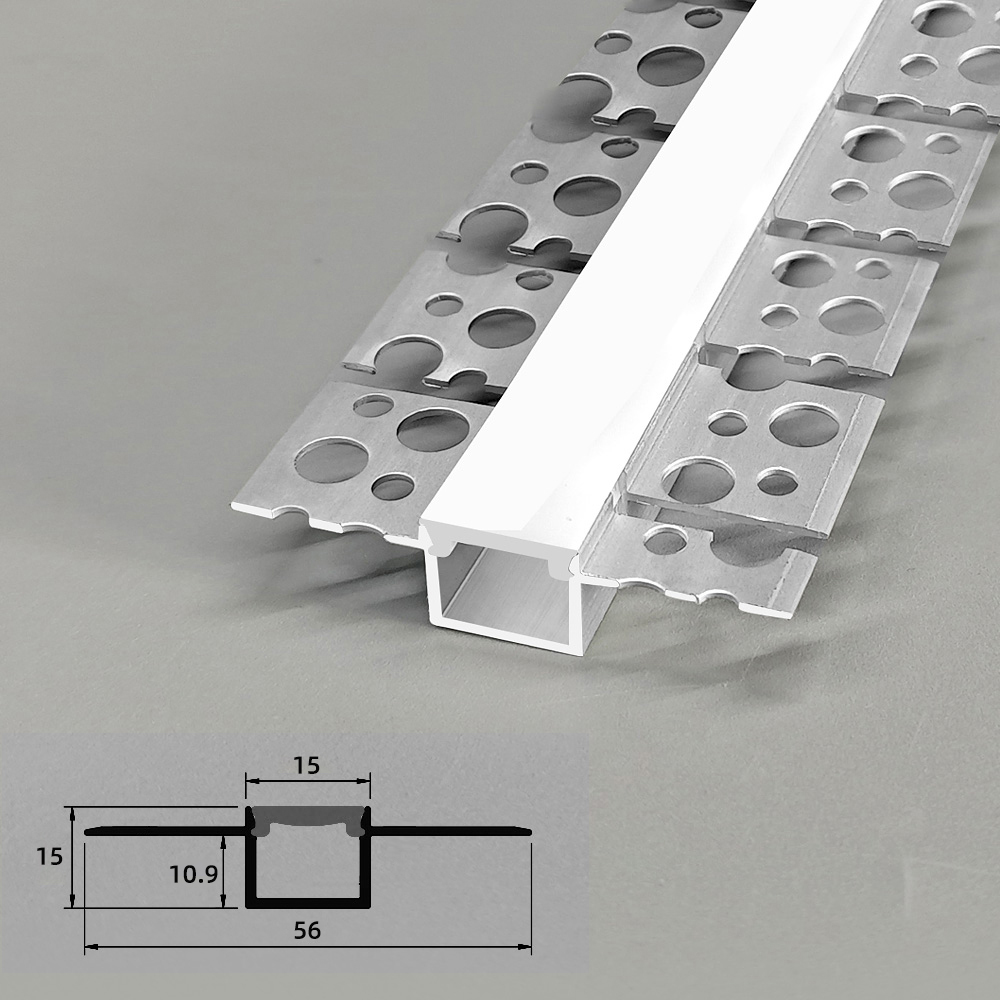
| RD-FX5515 | 56 × 15 mm on the profile drawing | 15 mm | Wide perforated wings and a silicone cover are shown on the product page |
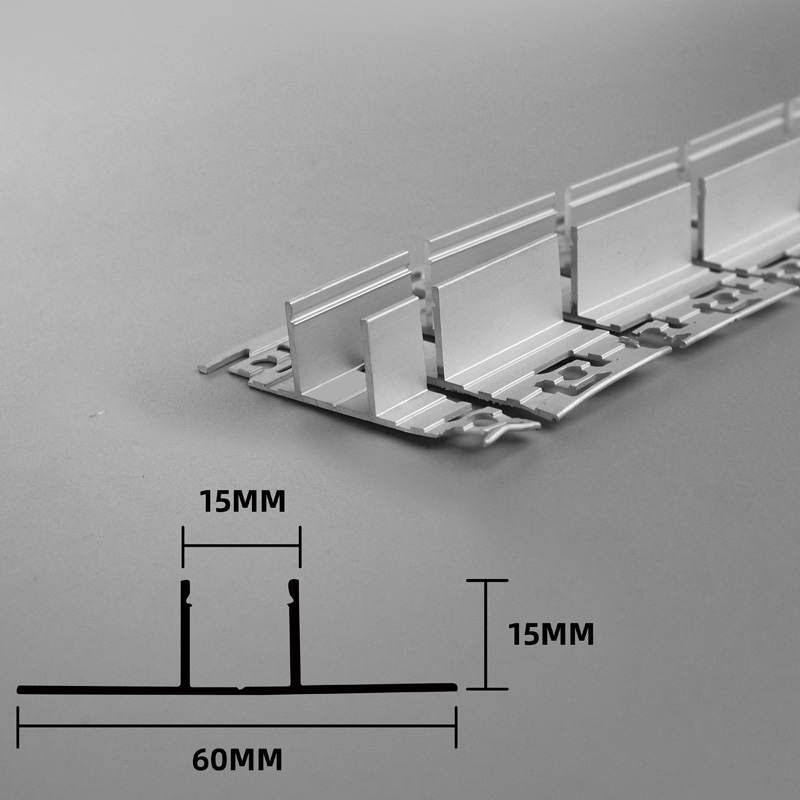
| RD-FX6015 | 60 × 15 mm | 15 mm | Broad fixing wings for ceiling and plaster-related curved details |
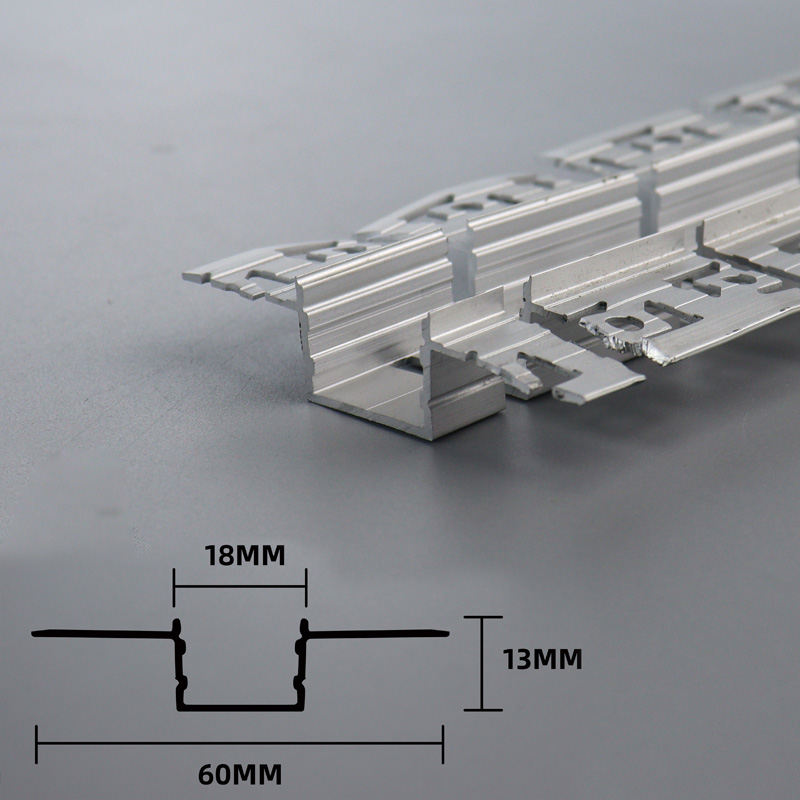
| RD-FX6013A | 60 × 13 mm | 18 mm | A lower profile with a comparatively wide internal strip channel |
| Next-generation RD-FX5515 listing | 55 × 12.5 mm is listed on this page | Confirm by approved drawing | Designed for shaped linear-lighting layouts; page dimensions differ from the separate 5515 listing |
Compact 30 mm and 35 mm profiles
The RD-FX3013 and RD-FX3513 are useful when the lighting detail needs a relatively narrow overall footprint. The 30 × 13 mm model shows a 10 mm internal strip channel, while the 35 × 13 mm model shows a 13 mm channel. That difference matters because an LED PCB, solder joint or connector that fits one channel may not fit the other. Always compare the actual strip width and connector dimensions with the clear space inside the profile.
Wide plaster-in profiles for larger curves
The 55–60 mm models use broader segmented wings, distributing fixing points across a wider surface. This can be useful in plasterboard ceilings, curved wall features and other installations where the aluminum needs to become part of the finished substrate. The RD-FX5515 drawing shows a 56 × 15 mm overall width with a 15 mm channel, while the RD-FX6015 is shown at 60 × 15 mm with a 15 mm channel.
Low-profile 60 × 13 mm channel
The RD-FX6013A combines a 60 mm overall width with a 13 mm height and an 18 mm internal channel shown in the profile image. This format can accommodate a wider strip than the other models shown, subject to the diffuser and wiring arrangement. The lower height may suit shallow construction details, but dot-free illumination still depends on LED density, diffuser characteristics and the distance between the LEDs and cover.
How to Select a Curved LED Strip Channel
Choosing a flexible LED aluminum profile should begin with the curve and construction detail, followed by the LED strip and desired lighting effect. The following checks help turn a concept drawing into a buildable solution.
- Provide the curve geometry. Send the radius, arc length, bending direction and a drawing or template. Irregular curves should be supplied as CAD files where possible.
- Confirm the installation plane. Identify whether the profile curves across a ceiling, follows a wall, surrounds a circular feature or bends within a piece of furniture.
- Match the LED strip width. Compare the PCB, solder pads, wires and connectors with the usable internal channel width rather than only the overall profile size.
- Choose the light output. Specify voltage, wattage, LED density, lumen requirement, CCT, CRI and dimming method. Curved lines with direct visibility often benefit from a high-density or COB strip.
- Evaluate the diffuser. Confirm whether the selected cover can follow the proposed radius and whether it provides the required transmission, uniformity and finished color.
- Coordinate feeds and joints. Plan cable exits, solder points, driver locations and profile joints so they do not interrupt the visible curved light line.
- Check the environment. For damp or outdoor projects, specify a protected LED strip, sealed connections, suitable end treatment and a correctly rated driver. The aluminum profile alone does not establish an IP rating.
- Approve a sample curve. Test a representative radius with the actual strip and diffuser before ordering full project quantities.
Installation and Finishing Considerations
Mark the curve accurately on the substrate before shaping the profile. Gradually form the aluminum along a template instead of creating one sharp bend. Fix the segmented wings at regular intervals so the center channel remains aligned, and check the diffuser slot during installation. Uneven fixing can create a wavy visible light line even when the original design calls for a smooth arc.
For plaster-in work, protect the LED channel and diffuser grooves from compound, paint and construction dust. Apply finishing material in controlled layers around the perforated wings and avoid filling the moving joints in a way that pulls the profile away from the intended curve. The LED strip should normally be installed after dusty finishing work is complete and the aluminum surface has been cleaned.
Before applying the LED strip, remove grease and debris from the channel. Avoid placing solder joints directly at the tightest part of a curve. Test electrical continuity, dimming and light uniformity before pressing the diffuser fully into position. For long runs, follow the strip manufacturer's feed-distance and voltage-drop recommendations rather than powering the entire curve from one end without calculation.
Applications for Bendable Linear Lighting Profiles
Curved ceilings and feature walls
A bendable plaster-in LED profile can trace an arc across a ceiling or create a flowing illuminated line within a wall. Wider fixing wings help integrate the profile into the finished surface while leaving only the diffuser visible.
Retail stores and exhibition displays
Curved light lines can follow display furniture, guide customers or reinforce the geometry of a branded interior. High-CRI LED strips help maintain accurate product colors, while dimming allows displays to be balanced against surrounding ambient light.
Hotels, restaurants and reception areas
Hospitality spaces often use circles, waves and soft transitions to create a distinctive atmosphere. A curved channel can outline a reception desk, ceiling feature, bar or dining zone. Warm CCT and smooth dimming can make the light line more comfortable during evening operation.
Custom furniture and architectural installations
Joinery, display cases and sculptural installations may require a profile to follow a non-standard outline. Coordinate the aluminum channel with the fabricator's CNC or full-size template, and test the complete assembly before the finished veneer, paint or decorative surface is applied.
What to Include in a Custom Profile Inquiry
When requesting a quotation for a custom bendable aluminum LED profile, provide the model or required cross-section, total quantity, individual lengths, curve radius, bending direction, LED-strip width, diffuser requirement, finish, end treatment and project environment. Attach plan, elevation and section drawings so the supplier can understand both the visible curve and the installation substrate.
Ask for an updated profile drawing, diffuser information, packing length and a sample before volume production. If the channel will be pre-bent by the supplier, confirm how the curve will be measured, protected and packed for transport. If it will be shaped on site, request practical bending guidance and establish responsibility for achieving the final radius.
Frequently Asked Questions
Can a bendable aluminum profile curve in every direction?
No. The segmented construction allows bending in its designed plane. Twisting the profile or forcing it in the opposite direction can deform the LED channel and diffuser groove.
How do I choose between 30 mm, 35 mm and 60 mm profiles?
Compare the available installation width, LED-strip channel, required fixing area and finishing method. Compact profiles suit smaller details, while wider wings provide more fixing points for plaster-in architectural applications.
Will a bendable profile produce a dot-free light line?
The profile alone cannot guarantee this. Uniformity depends on LED density, strip type, diffuser transmission, channel depth, brightness and viewing distance. Test the exact strip and diffuser together.
Can bendable aluminum channels be used outdoors?
Selected profile pages list indoor and outdoor lighting applications, but the aluminum channel by itself is not a complete waterproof system. Confirm the LED strip, diffuser, end seals, cables, connections and driver protection for the actual environment.
Should the profile be bent before or after installation?
That depends on the radius, transport method and construction sequence. A factory-formed or template-formed sample may be preferable for precise curves, while gradual on-site shaping can work when the substrate provides an accurate guide.
Turn a Curved Lighting Concept into a Buildable Detail
Explore SANAG's bendable aluminum channels, compare the available profile widths and submit your curve drawings, LED-strip specification and installation requirements for model-specific recommendations.
 How Suspended LED Linear Light Creates Comfortable and Flexible Interiors
  About us
 SANAG BLOG
 faq
faq Contact us